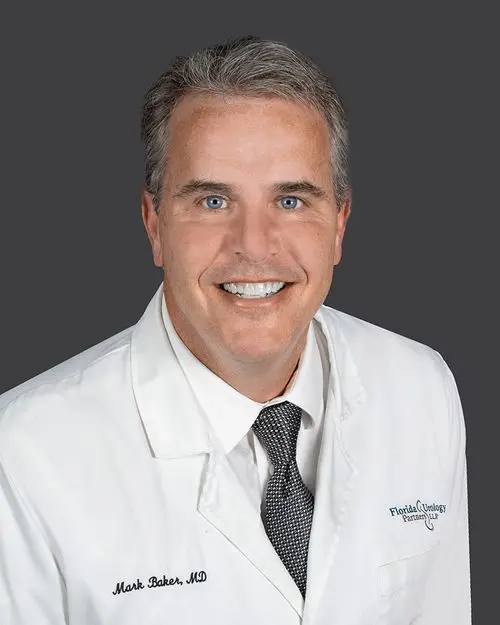

Dr. Mark B. Baker brings decades of experience and leading-edge robotic surgery to help you feel better, faster.
Board-Certified Urologist Serving Tampa Bay
Welcome to the practice of Mark Baker, M.D., FACS, where experience meets innovation in urologic care. Dr. Baker has performed over 1,200 robotic surgeries and is a leader in the next generation of minimally invasive techniques. As one of the few surgeons in the region using Single Port Robotic Surgery, he offers patients better outcomes, less pain, and faster recovery. Whether you’re exploring treatment options or have been referred for specialized care, you’re in expert hands.
Dr. Baker is affiliated with several leading hospitals in the region, ensuring patients have access to advanced care close to home. He performs surgeries at Sun City Hospital, South Bay Hospital, South Florida Baptist Hospital, Tampa General Hospital, St. Joseph’s Hospital South, and AdventHealth Riverview.
Meet Mark Baker, M.D., FACS
Dr. Mark B. Baker is a board-certified urologist and robotic surgery specialist serving Eastern Hillsborough County since 2005. Known for his expertise in minimally invasive procedures, he was the first in Florida to perform a TransVesical Single Port Robotic Prostatectomy. Dr. Baker is dedicated to helping patients recover faster with less pain and excellent outcomes.
What Dr. Baker's Patients Are Saying
The Latest from Mark Baker, M.D., FACS


The Dangers Of Leaving BPH Untreated
Benign prostatic hyperplasia, also known as BPH, describes an enlarged prostate gland in men. It is a condition many men will eventually experience, and it progresses as a man ages. Let’s discover the dangers of leaving BPH untreated. Basic Facts About BPH The prostate gland is a small gland about the size of a walnut

Prostate Cancer Screening: Why Getting Tested Matters
Prostate cancer is one of the most common cancers affecting men — and one of the easiest to miss. In its earliest stages, prostate cancer typically causes few or no symptoms, which means many men feel completely healthy while the disease quietly develops. That’s why routine screening plays such an important role in early detection.